
Walk India
Making every rural amputee walk again
Disabled Means Differently Abled
A sizeable number of physically handicapped are amputees, those who have lost their lower limbs due to accidents or diabetes. Among the various types of physical disabilities, people with lower limb amputation benefit the most when fitted with a prosthesis (artificial limb).
Walk India is the dream project of our founder Dr. Sunder. It is about making people with lower-limb amputation to get back on their feet. Freedom Trust conducts special camps for limb fitting at various towns and villages all over India, enabling amputees to walk with their newly fitted limbs.
!Our Purpose
Physically handicapped persons form the lion's share of the nearly 10% handicapped people throughout the world. A sizeable number of these are amputees.
Statistics estimate that 7 out of 1,000 population are amputees. And in India, nearly 25,000 people lose their limbs every year due to diabetes and accidents!
"There is no greater joy than watching these amputees walk back home."
Our Program
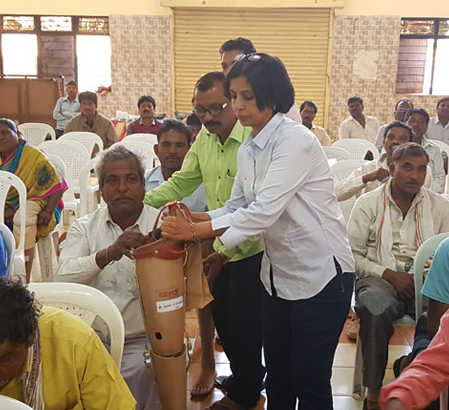
FREEDOM TRUST conducts special camps for limb fitting (a highly specialized process) in various towns and villages all over India, enabling the amputees to walk with their newly fitted limbs.
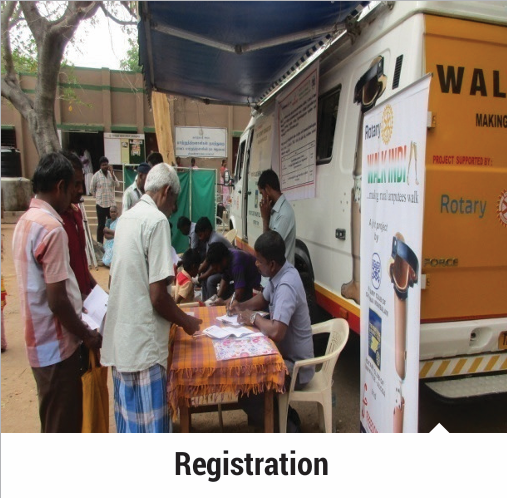
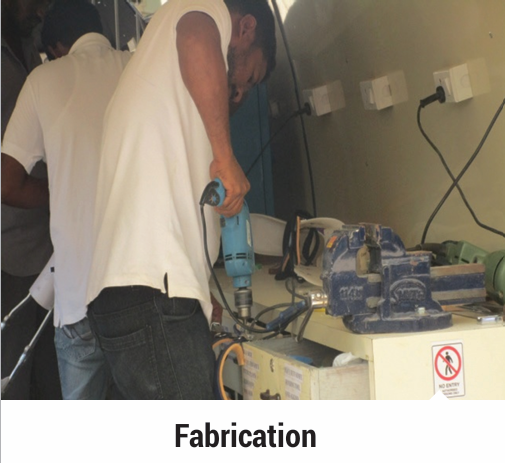
A van specially designed to carry the necessary materials and equipment manned by a limb fitting team tours the villages. Qualified prosthetic technicians fabricate custom sockets and distribute limbs to beneficiaries free of cost.
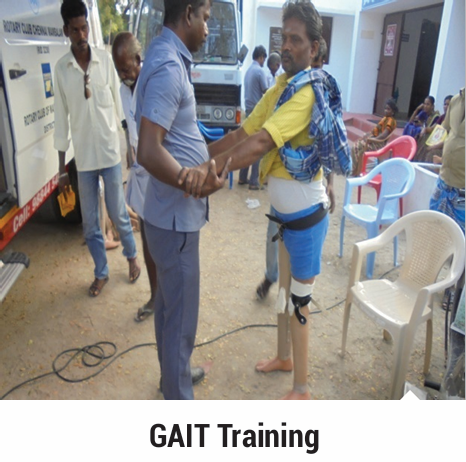
A qualified physiotherapist trains the amputees to take care of the limb, the stump and gives exercises for balance and gait.
How It Works
Walk India is executed through a structured camp process with three phases: Assessment, Distribution, and Follow Up.
Field Visit
Each project begins with field visits by our coordinator. A local organizer is identified, usually an NGO or voluntary association. The needs are assessed and data of persons needing appliances is collected.
Assessment
Assessment Camps ensure every beneficiary gets individual attention, to make sure they get the right equipment that fits them well. Processes are done in an agile and lean manner.
Measurement
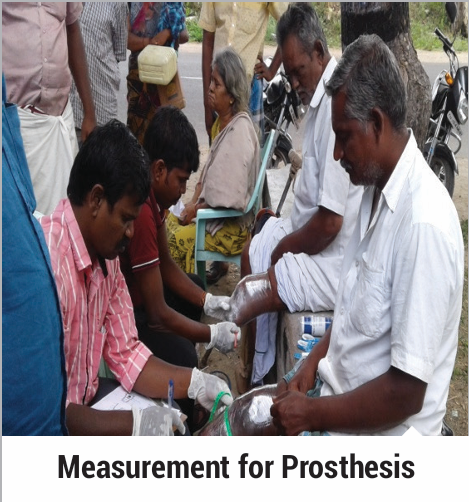
Precise measurements are taken to ensure each prosthesis is custom-made for the individual beneficiary, ensuring optimal fit and comfort.
Trial
Prior to giving the appliances, a trial camp is conducted to check if they fit the beneficiary properly. The prosthetic team trains beneficiaries how to wear and maintain the device.
Gait Training
Training given to users of artificial limbs to walk with their new limb. This vital training helps the beneficiary use the appliance properly and move confidently.
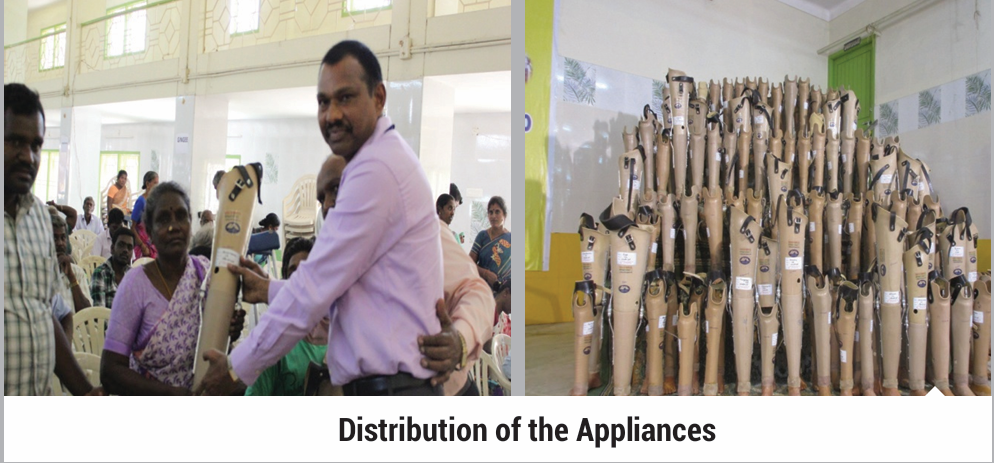
Distribution & Follow Up
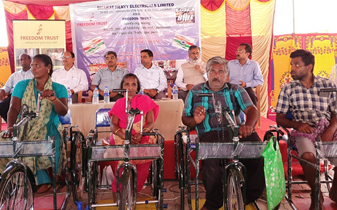
Appliances are given free of cost at a community event. A follow-up camp after two months monitors quality, comfort and provides free service or repairs as needed.
Click to explore the full process
Support Walk India
Your contribution helps amputees across rural India walk again with dignity and independence. Every donation brings us closer to a mobile India.
Get Involved